

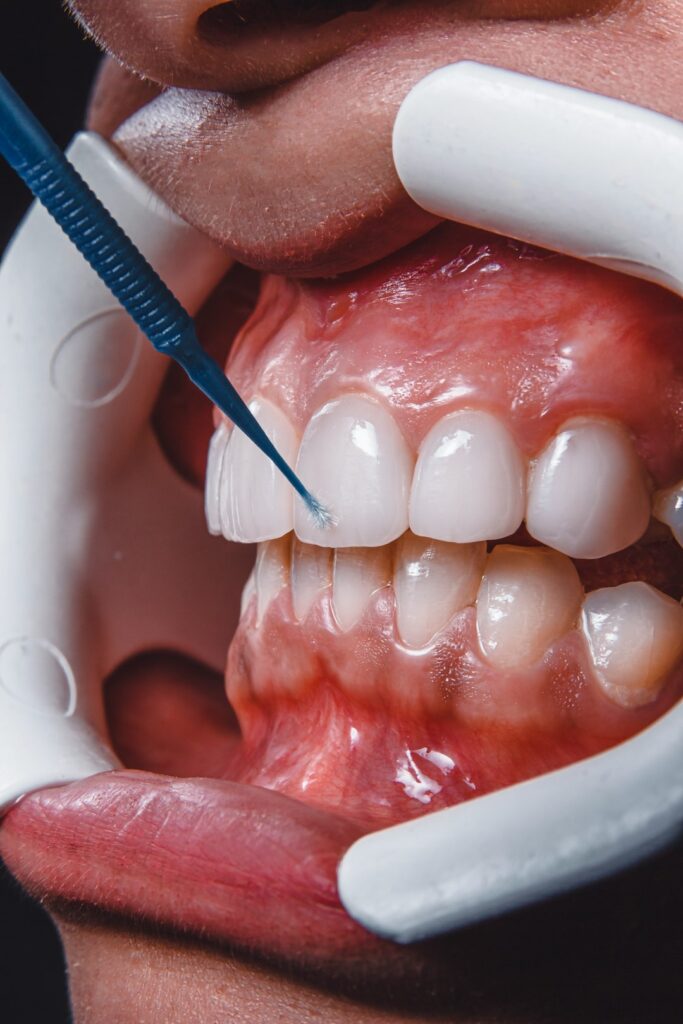
Implant-supported dentures can provide more stability than conventional dentures by using dental implants as anchors. They are still removable in many cases, but they are designed to move less during speaking and chewing.
For residents of Littleton, NH, this option may be worth understanding when traditional dentures feel loose, cause sore spots, or make it difficult to eat comfortably. Implant-supported dentures are not suitable for everyone, and the right design depends on bone structure, general health, oral hygiene, and personal priorities.
What are implant-supported dentures?
An implant-supported denture, also called an overdenture, is a removable dental prosthesis that connects to implants placed in the jaw. The implants act as anchors, while the denture replaces missing teeth and some of the surrounding gum tissue.
A conventional denture rests mainly on the gums and underlying bone. An implant-supported design receives additional support or retention from the implants. Depending on the attachment system, the denture may snap onto individual connectors or fit over a connecting bar.
The denture is usually removed for cleaning. This differs from a fixed implant restoration, which is designed to remain in the mouth and can only be removed by a dental professional.
How is an implant-supported denture different from a regular denture?
The main difference is stability. Conventional dentures can shift because the gums are soft and the shape of the jaw changes over time. Lower dentures are especially prone to movement because the tongue and cheeks are active during eating and speaking.
Implant-supported dentures may:
- Reduce rocking or slipping during conversation
- Improve confidence when chewing
- Make it easier to bite foods that require more control
- Reduce the amount of denture adhesive needed, although adhesive may still be useful in some situations
- Help the denture feel more secure during daily activities
They do not restore natural teeth completely. Biting pressure, temperature sensation, and chewing ability may still feel different from having natural teeth. The denture also requires cleaning, maintenance, and periodic adjustment.
How many implants are needed?
The number of implants varies by arch, bone anatomy, denture design, and treatment plan. Some removable lower dentures use two implants, while other designs use more. Upper dentures may require a different number or arrangement because the upper jaw often has less dense bone and different anatomical considerations.
There is no single implant count that works for every person. A treatment plan may also change if bone has been lost, if an implant cannot be placed in an ideal location, or if additional procedures are needed before placement.
A detailed examination commonly includes dental X-rays or three-dimensional imaging, a review of medical history, and an assessment of the existing denture or remaining teeth.
Who may be a candidate?
People who have lost all or most teeth may be candidates, particularly if a conventional denture is unstable or uncomfortable. Good candidates generally have enough bone to support implants or are able to undergo procedures that improve the available bone.
Health factors also matter. Conditions that affect healing, uncontrolled diabetes, certain medications, tobacco use, and a history of radiation therapy may influence the risks and timing. These factors do not automatically rule out treatment, but they require careful evaluation.
A person who has several remaining teeth may have other options, including a tooth-supported overdenture, partial denture, bridge, or individual tooth replacement. Preserving healthy natural teeth may be appropriate when they have a reasonable long-term outlook.
What happens during treatment?
Treatment usually takes place in stages rather than in one visit.
First, the mouth and general health are evaluated. Imaging helps determine implant position, bone volume, and the relationship to important structures such as nerves or the sinus area.
Next, the implants are placed into the jaw. A temporary denture may be used while the implants heal. This healing period allows the surrounding bone to bond with the implant surfaces. The time required differs from person to person.
Once healing and implant stability have been assessed, attachment components are connected and the denture is adjusted or remade to fit the new support system. Several adjustment visits may be needed because the bite, comfort, and speech can change as the mouth adapts.
Is the procedure painful?
Implant placement is performed with local anesthesia, and additional sedation may be available depending on the setting and individual needs. Tenderness, swelling, bruising, or pressure can occur afterward. These symptoms are usually managed with instructions provided after surgery and tend to improve as healing progresses.
The denture itself may also create sore areas during the adjustment period. A small change in the fit can make a significant difference, so persistent rubbing or pain should not be ignored.
How should implant-supported dentures be cleaned?
Daily cleaning protects both the denture and the tissues around the implants. The removable denture should be brushed with a denture brush or soft brush and a non-abrasive cleaner. Regular toothpaste can be too abrasive for some denture materials.
The implant attachments and surrounding gums also need careful cleaning. Small brushes, flossing devices, or other tools may be recommended depending on the design. The denture should generally be removed at night unless specific instructions say otherwise.
During winter, dry indoor air can contribute to dry mouth for some people. Drinking water regularly, reviewing medications that cause dryness, and avoiding tobacco can support comfort and oral health. A dry mouth may increase irritation and make wearing a denture more difficult.
What maintenance is required?
Implant-supported dentures are not maintenance-free. The denture teeth can wear, attachment components can loosen or become less retentive, and the acrylic base may crack or fracture. The gums and bone can also change over time.

Routine evaluations help identify:
- Inflammation around implants
- Changes in the bite
- Loose or worn attachments
- Denture fractures or poor fit
- Bone loss or other oral health concerns
A denture that suddenly feels loose may need an adjustment or replacement of an attachment component. It should not be relined or altered at home, since an inaccurate change can place excess pressure on the implants or soft tissues.
Are implant-supported dentures permanent?
The implants are intended to provide long-term support, but the denture and attachment parts may need repair or replacement. Wear is normal because the prosthesis is exposed to chewing forces every day.
Long-term success depends on several factors, including cleaning, regular monitoring, smoking status, medical conditions, bite forces, and the quality of the initial fit. Implant-supported dentures can last for many years, but they should not be viewed as a once-and-done treatment.
What questions should residents ask before choosing this option?
A useful discussion should address both benefits and limitations. Questions may include:
- Is a removable overdenture or fixed restoration more appropriate?
- How much bone is available?
- Are remaining teeth worth preserving?
- What happens if an implant fails?
- How often will attachments need replacement?
- What cleaning tools are required?
- Will the existing denture be modified, or is a new one needed?
- Which costs involve surgery, imaging, the denture, maintenance, and future repairs?
- How will winter travel, work schedules, or transportation affect follow-up visits?
For people living in a rural or four-season community, planning for follow-up care can be especially practical. Healing visits, denture adjustments, and maintenance are part of the treatment, not optional extras.
Implant-supported dentures can improve stability and chewing comfort, but they involve surgery, ongoing hygiene, and future maintenance. Understanding the differences between removable, fixed, conventional, and implant-assisted options makes it easier to weigh comfort, cost, health considerations, and long-term care needs.