

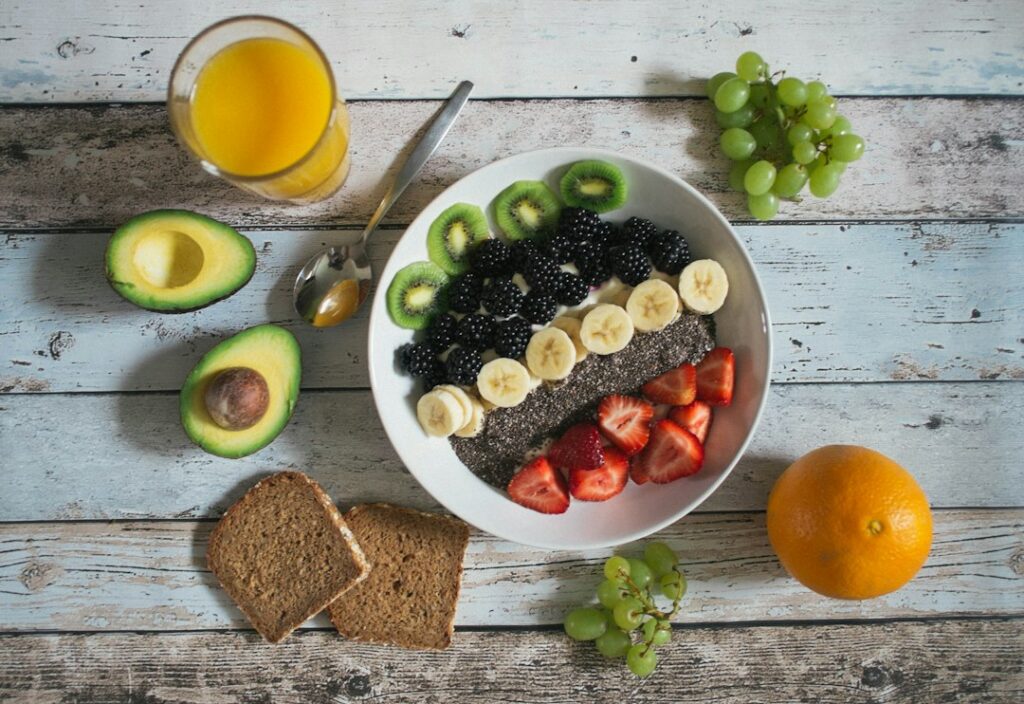
Healthy teeth depend on more than brushing. Food choices affect how often teeth are exposed to sugar and acid, how much saliva is produced, and whether the body receives nutrients needed to maintain enamel, jawbone, and gum tissue. For residents of Littleton, NH, a tooth-supportive eating pattern can be especially useful during busy winters, when indoor heat, dry air, and changes in daily routines may contribute to dry mouth or more frequent snacking.
Which foods help keep teeth strong?
Foods that support dental health generally provide calcium, phosphorus, protein, fiber, and water while containing little added sugar. They also tend to require chewing, which encourages saliva flow.
Helpful choices include:
- Plain yogurt, milk, and cheese
- Eggs, fish, beans, and lean meats
- Leafy greens and other vegetables
- Fresh fruits eaten as part of meals
- Nuts and seeds without added sugar
- Whole grains with limited added sweeteners
- Water, especially between meals
No single food prevents cavities. The overall pattern matters, including how often sugary or acidic foods are consumed.
Why are dairy foods useful for teeth?
Milk, cheese, and plain yogurt provide calcium and phosphorus, minerals involved in maintaining tooth enamel. Cheese also has a relatively low moisture content and requires chewing, which can stimulate saliva. Saliva helps clear food particles and buffers acids produced by oral bacteria.
Plain yogurt can be a useful option, but flavored varieties may contain substantial added sugar. Reading the nutrition label can help distinguish unsweetened or lightly sweetened choices from dessert-like products.
For people who avoid dairy, calcium-fortified alternatives may provide similar nutrients. Product labels matter because not every plant-based beverage contains the same amount of calcium, vitamin D, or added sugar.
Do crunchy fruits and vegetables clean teeth?
Crunchy produce can help mechanically disturb loose food particles and stimulate saliva, but it does not replace brushing or cleaning between teeth. Apples, carrots, celery, cucumbers, and firm pears can be practical snack choices because they contain water and fiber.
A common misconception is that an apple “scrubs” teeth clean. Fruit still contains natural sugars and can be acidic, so it should be viewed as a nutritious food rather than a toothbrush substitute. Eating it with a meal is generally kinder to teeth than grazing on fruit repeatedly throughout the day.
Cooked vegetables are also valuable. Dental discomfort, missing teeth, crowns, bridges, or other restorative concerns may make raw foods difficult to chew. Soft vegetables, beans, eggs, fish, and yogurt can provide important nutrition without requiring forceful chewing.
How do protein-rich foods support oral health?
Protein-rich foods help support the muscles, connective tissues, and bone structures involved in chewing. Eggs, fish, poultry, beans, lentils, tofu, and nuts can be part of a balanced eating pattern that is also lower in added sugar.
Some protein foods provide minerals directly. Fish with edible bones, dairy foods, tofu prepared with calcium, and certain beans may contribute calcium or phosphorus. Nuts and seeds can be nutritious, although very hard foods may not be suitable for teeth weakened by cracks, extensive restorations, or active sensitivity.
If a food causes sharp pain, avoid forcing the area to chew through it. Pain during biting can have several causes and should not be treated simply as a dietary inconvenience.
Is water the best drink for teeth?
For most people, plain water is the most tooth-friendly everyday beverage. It helps wash away food residue and does not provide sugar for cavity-causing bacteria. Water is especially useful between meals and after eating sticky or sweet foods.
Bottled, filtered, and tap water may differ in fluoride content. Because fluoride exposure depends on the water source, toothpaste, age, and individual cavity risk, households should avoid assuming that every water supply provides the same protection. Young children, older adults, and people with frequent cavities may have different needs.
Tea and coffee can fit into a tooth-conscious diet when consumed without added sugar. However, caffeine may contribute to dry mouth in some people, and frequent sipping of sweetened beverages exposes teeth to repeated sugar and acid.
What foods should be limited?
The frequency of sugar exposure often matters as much as the total amount. Each time sugar or fermentable starches reach dental plaque, bacteria can produce acids that temporarily weaken enamel.
Foods and drinks that deserve particular attention include:
- Soda, sports drinks, energy drinks, and sweetened coffee
- Candy, caramels, fruit snacks, and other sticky sweets
- Cookies, pastries, and sweetened breakfast foods
- Frequent servings of juice or dried fruit
- Sweetened yogurt and flavored milk
- Crackers, chips, and refined starches eaten repeatedly throughout the day

This does not mean that every sweet food must be eliminated. Eating a dessert with a meal is usually less harmful than slowly snacking on it for hours. Afterward, rinsing with water can help clear remaining sugars and acids. Wait before brushing if the mouth has just been exposed to an acidic food or drink, since enamel may be temporarily softened.
Are acidic foods bad for teeth?
Acidic foods and drinks can contribute to enamel erosion, which is different from a cavity. Citrus fruits, vinegar-based foods, sour candies, carbonated beverages, and some fruit drinks may soften enamel when consumed frequently.
Acidic foods do not need to be removed from a nutritious diet. Practical steps include:
- Keep acidic drinks with a meal instead of sipping them all day.
- Use a straw for some beverages when appropriate.
- Rinse with water afterward.
- Avoid brushing immediately after acidic exposure.
- Limit sour candies, which combine acidity with prolonged contact.
People with dry mouth, reflux, frequent vomiting, or enamel wear may be more vulnerable to acid-related damage. In a cold-weather community such as Littleton, indoor heating and reduced fluid intake may add to mouth dryness, making regular water consumption useful.
How can food habits protect teeth after restorative treatment?
Fillings, crowns, bridges, implants, and dentures restore function, but they do not make surrounding teeth immune to decay or gum disease. Sticky foods can collect around edges of restorations, while hard foods may place excessive force on weakened teeth or brittle dental materials.
After restorative treatment, sensible habits include choosing softer nutrient-dense foods when the mouth is tender, avoiding very hard objects such as ice, and limiting frequent sugary snacks. Food should not be used to test whether a newly repaired tooth can tolerate pain or pressure.
A balanced diet works best alongside brushing twice daily with fluoride toothpaste and cleaning between teeth each day. Food supports the mouth’s tissues, while daily plaque control and appropriate dental care address the bacterial film that drives many cavities and gum problems.
What is a simple tooth-friendly day of eating?
A practical pattern might include oatmeal with nuts and plain yogurt at breakfast, vegetables and eggs or beans at lunch, fruit with cheese as a snack, and fish, poultry, tofu, or lentils with vegetables and whole grains at dinner. Water can be the default beverage between meals.
The goal is not perfection. It is to make nourishing foods the routine, keep sugary and acidic exposures less frequent, and choose meals that are comfortable to chew and realistic for the household.