

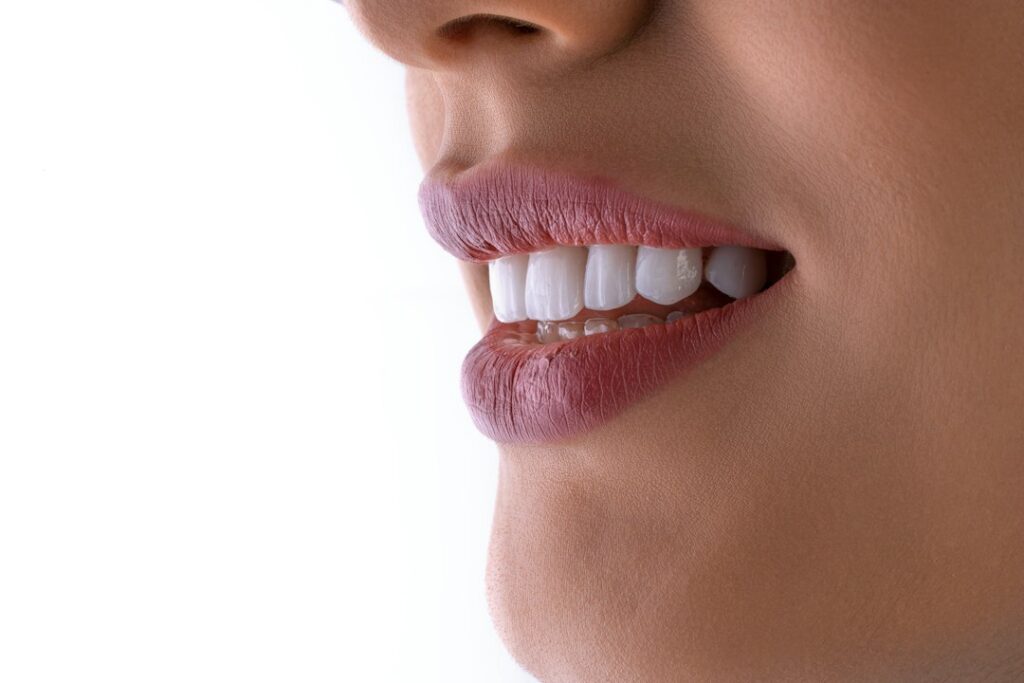
Restorative dentistry can improve confidence by repairing damaged teeth, replacing missing ones, and making everyday activities feel more comfortable. The benefit is not limited to appearance. A well-planned restoration may also make it easier to chew, speak, smile, and participate socially without worrying about pain, visible damage, or an appliance shifting.
How can restorative dentistry affect confidence?
Restorative treatment can reduce the self-consciousness that often follows tooth loss, discoloration, fractures, extensive fillings, or visible decay. When teeth look more even and complete, many people feel less likely to hide their smile or avoid photographs and conversations.
Confidence can also improve when the mouth functions more normally. A person may feel more at ease eating with others, pronouncing certain words, laughing openly, or speaking in close conversation. These changes often come from a combination of appearance, comfort, and predictability rather than from cosmetic improvement alone.
For residents of Littleton, seasonal routines may make this especially meaningful. Social gatherings, family events, work interactions, and extended time indoors during colder months can bring more attention to speaking and eating comfortably around others.
Which treatments are considered restorative?
Restorative dentistry includes treatments that repair or replace tooth structure. The appropriate option depends on the amount of damage, the health of the gums and supporting bone, bite forces, overall health, and personal preferences.
Common examples include:
- Tooth-colored fillings: Used to repair small or moderate areas of decay or damage. They can restore the shape of a tooth while blending with its natural shade.
- Crowns: Protective coverings that restore the shape, strength, and appearance of a tooth that is badly weakened, cracked, heavily filled, or treated with a root canal.
- Bridges: Fixed restorations that replace one or more missing teeth by connecting an artificial tooth to neighboring support teeth or implants.
- Partial or complete dentures: Removable appliances that replace several teeth or all teeth in an arch.
- Implant-supported restorations: A dental implant can support a crown, bridge, or denture when suitable bone and health conditions are present.
- Inlays and onlays: Custom restorations used when a tooth needs more support than a filling but does not require a full crown.
Not every treatment is appropriate for every person. Restorative care should preserve as much healthy tooth structure as possible and address the cause of the problem, such as decay, gum disease, grinding, or an injury.
Can restorative dentistry improve speaking and eating?
Yes. Missing, broken, or severely worn teeth can affect chewing and pronunciation. Replacing or rebuilding them may help the tongue, lips, and jaw work together more effectively.
A missing front tooth may alter sounds made with the front teeth. Missing back teeth can reduce chewing efficiency and cause a person to favor one side of the mouth. A loose denture may make speaking feel uncertain, while a properly adjusted restoration can provide more stability.
Improvement may not be immediate. The mouth may need time to adapt to changes in tooth shape, bite, or appliance position. Practice reading aloud, eating softer foods at first, and following cleaning instructions can help during the adjustment period.
What if someone feels embarrassed about needing dentures or extensive treatment?
Needing restorative care is not a personal failure. Tooth loss and tooth damage can result from decay, gum disease, injuries, aging, dry mouth, medication effects, grinding, or long periods without regular care. Many people delay treatment because they feel embarrassed, which can allow discomfort and damage to worsen.
Dentures and implant-supported prostheses are medical restorations, not signs that someone has neglected their health. Their success depends on fit, oral hygiene, regular assessment, and realistic expectations. Even people with complete dentures still need to clean the appliance and care for the gums, tongue, and remaining oral tissues.
A restoration also does not make a tooth invulnerable. Crowns, bridges, fillings, dentures, and implants can wear or develop problems over time. Continuing daily care remains essential.
How long does it take to feel confident after treatment?
The timeline varies. A small filling may feel natural quickly, while a crown, bridge, denture, or implant-supported restoration may require several stages of treatment and adjustment.
Confidence may return in steps:
1. Pain or sensitivity becomes easier to manage.
2. Chewing and speaking feel more predictable.
3. The restoration begins to feel familiar.
4. Social habits gradually return, such as smiling in photographs or eating in public.
Temporary changes in speech, pressure, or bite can occur, especially with removable appliances. Persistent looseness, sharp edges, soreness, difficulty chewing, or a bite that feels uneven should not be ignored. These issues may indicate that an adjustment or further evaluation is needed.
What questions should be asked before choosing a restoration?

A clear discussion can help prevent misunderstandings and support a more comfortable result. Useful questions include:
- What problem is the restoration intended to solve?
- How much healthy tooth structure will remain?
- Are there alternatives, and how do they compare?
- How will the restoration affect chewing, speech, and appearance?
- What maintenance will be required?
- How might clenching or grinding affect it?
- What happens if the restoration loosens, breaks, or needs replacement?
- Is treatment best completed in stages?
- Are there medical conditions or medications that could affect healing?
Material choice also matters. Ceramics, composite resins, metals, and other dental materials have different strengths, appearances, maintenance needs, and costs. A natural-looking material is not automatically the best choice for every location in the mouth.
How can local conditions affect restorative care?
Cold weather does not usually damage a properly maintained restoration, but winter habits can influence oral health. Dry indoor air, reduced water intake, changes in diet, and increased use of hot or cold drinks may worsen dry-mouth symptoms or sensitivity.
In homes where heating systems run for long periods, drinking water regularly and using products recommended for dry mouth may help protect teeth. People who clench during stressful periods or grind at night may also place extra force on crowns, fillings, bridges, and natural teeth.
Snow and ice-related injuries are another practical concern. A fall or facial impact can fracture teeth, loosen a restoration, or injure the lips and gums. A damaged restoration should be saved if it comes out, but it should not be glued back with household adhesive.
Can restorative dentistry help someone smile naturally again?
It can, but expectations should remain realistic. Restorative treatment aims to create teeth that fit the mouth, support function, and look appropriate for the individual. Natural teeth are not perfectly uniform, and a restoration that is slightly varied in shade or shape may look more natural than one that appears identical and overly bright.
Confidence often grows when a person no longer has to focus on hiding a damaged tooth or managing an uncomfortable gap. The goal is not perfection. It is a stable, healthy mouth that allows everyday communication, eating, and smiling to feel less complicated.