

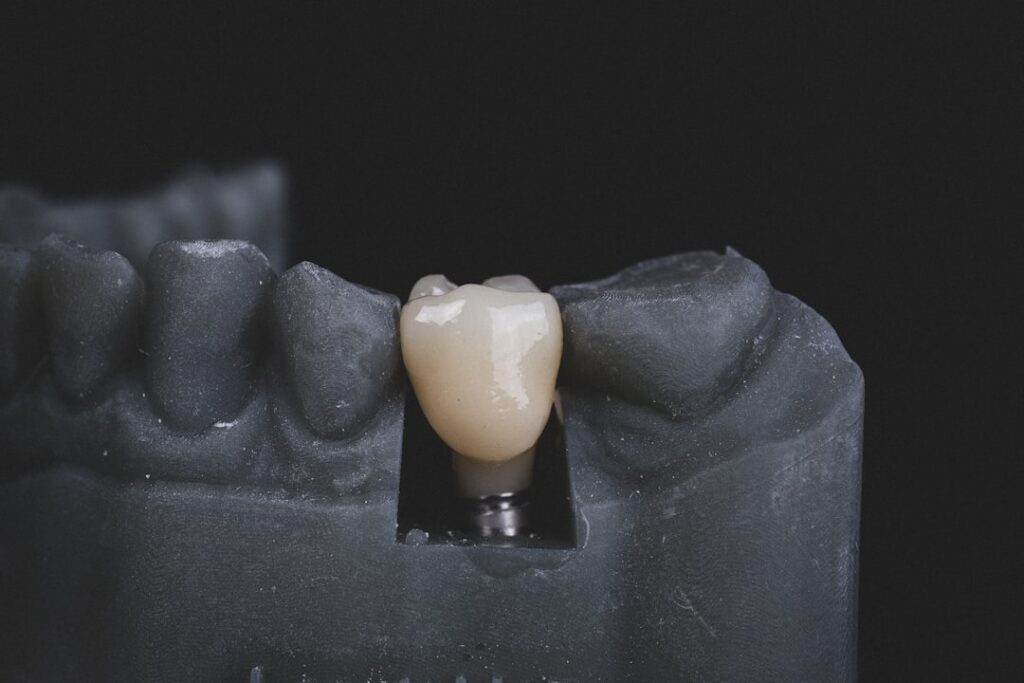
How Do You Know If You Might Need a Dental Crown?
A dental crown is often recommended when a tooth is significantly weakened, damaged, or compromised in a way that simple fillings cannot address. Local residents sometimes wonder if changes in their bite, discomfort, or appearance could be a sign that a crown is the right next step. Here’s what to look out for, specifically for those living in Littleton, NH and dealing with daily life factors like winter sports injuries, seasonal dietary habits, and homes with well water.
What Are the Most Common Reasons for a Dental Crown?
Dental crowns are typically used to protect, strengthen, or restore teeth that can’t function properly on their own. Some of the most reliable signs that a crown might be necessary include:
- Extensive decay: When a cavity is so large that more than half the tooth is compromised, a filling may not provide enough support.
- Cracked or fractured teeth: Especially after chewing hard foods (like nuts and homemade breads popular during Littleton winters), a deep crack can threaten the entire tooth structure.
- After root canal treatment: Teeth that have had root canals are more brittle and prone to fracture, so crowns act as reinforcement.
- Large, old fillings: Teeth with large existing fillings often develop weak walls or edges, becoming candidates for crowning.
- Worn down teeth: Local residents sometimes experience tooth wear due to habits like teeth grinding during stressful winter months or acidic effects from well water.
How Can You Spot If a Tooth Is at Risk?
Concern often arises when a tooth feels different or looks unusual. Specific signs include:
- Pain when biting or chewing, especially if it is isolated to a single tooth.
- Sensitivity to temperature extremes, notably with hot tea or ice-cold drinks (a frequent local comfort in varying seasons).
- Visible cracks or chips, even if they seem minor at first glance.
- A tooth appearing darker than its neighbors, which may signal internal damage.
It’s useful to pay attention to small signs rather than waiting for noticeable discomfort. Many in the community dismiss early symptoms as normal wear, but catching issues early makes a difference.
Are Crowns Only for Severe Dental Issues?
Crowns are most often used for moderate to severe cases, but that doesn’t mean only extreme damage qualifies. For example:
- A tooth that is slightly cracked but causes pain when eating crusty local bread can destabilize further without a crown.
- Cosmetic concerns, like an uneven or deeply stained tooth after childhood injuries, may also be resolved with a dental crown when other treatments aren’t a fit.
- Teeth at high risk of future breakage—such as those supporting bridges or with repeated repairs—may benefit proactively from crowning.
Can You Delay Getting a Crown? What Risks Are There?
Delaying a dental crown after your tooth has been recommended for one can increase risk. Over time:
- Cracks can spread, making the tooth unsalvageable and possibly leading to extraction.
- Bacteria can enter through fractures, increasing the risk of infections or abscesses, especially concerning for households on private well systems where water quality must be monitored carefully.
- A weak tooth may suddenly break during everyday activities, like eating a crisp New England apple or slipping on icy walkways in winter.

What Are Misconceptions About Dental Crowns?
Some people in Littleton believe that crowns are only for the elderly or those with poor oral hygiene, but in reality:
- Dental injuries from falls, sports, or icy conditions are a common reason even healthy young adults need crowns.
- Even those with excellent brushing and flossing habits can develop cracks or require extensive fillings from unrelated factors.
- Crowns are not purely cosmetic—function and protection are the main reasons they are used.
How Much Tooth Needs to Be Damaged Before a Crown Is Needed?
A tooth doesn’t have to be mostly gone to require a crown. Key factors that raise the need for a crown include:
- More than half the chewing surface filled or damaged
- A fracture that threatens the stability of the tooth (for example, if part of the cusp—the pointed part—is missing)
- A history of repeated fillings that no longer stay secure
What Else Should Littleton Residents Consider?
Climate and lifestyle can influence dental health. In areas with long winters like Littleton, slips on ice, teeth clenching during cold-induced stress, and hot/cold sensitivity can all increase the likelihood of needing a crown at some point. Older housing stock may also mean some households still have acidic or mineral-heavy well water, which can subtly weaken teeth over time.
Practical precautions, such as using mouthguards for winter sports, keeping up with regular dental checks, and addressing any persistent discomfort or sudden changes in your bite, help area residents avoid surprises.