

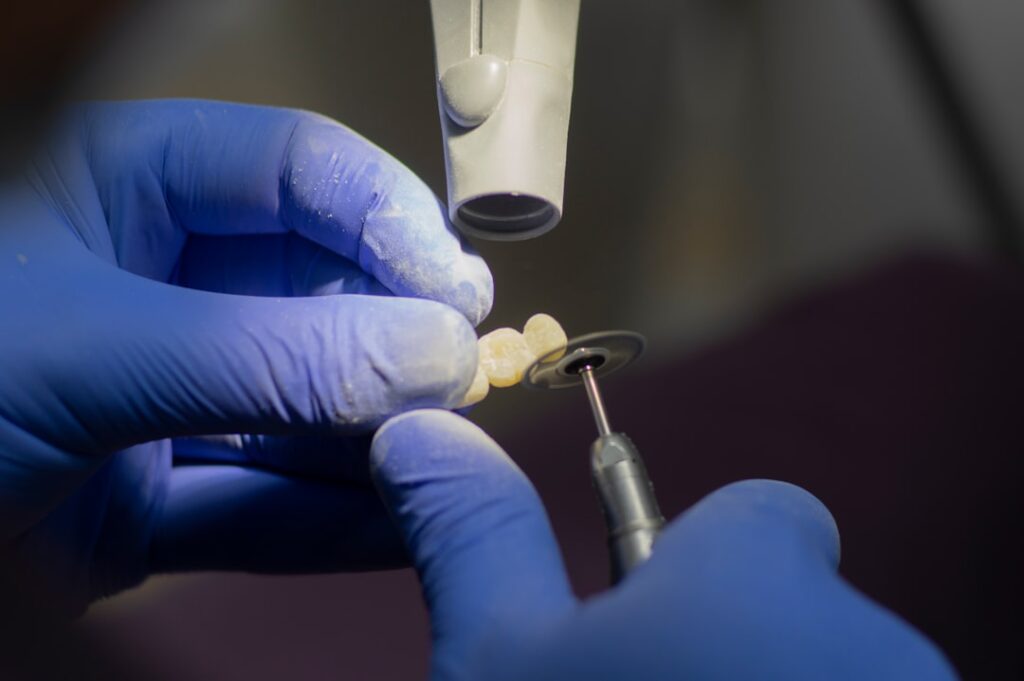
What Is a Dental Bridge and Why Might Local Residents Need One?
A dental bridge is a restoration used to fill the gap created by one or more missing teeth. For many people in Littleton, losing a tooth can happen due to age, injury (such as from ice slips in winter), decay, or other dental issues. A bridge helps restore your ability to chew and speak, while also maintaining the shape of your face and preventing nearby teeth from shifting out of alignment.
Bridges are usually made up of two crowns (one on each adjacent tooth, called abutments) with a false tooth (or teeth) in between. This false tooth, known as a pontic, can be made from a range of materials including porcelain or ceramics for a natural appearance.
How Is a Dental Bridge Placed?
The dental bridge procedure involves several steps, typically spread over two to three visits. The process starts with preparation and ends with final placement.
1. Preparation: The abutment teeth on each side of the gap are shaped to accommodate crowns. Often, impressions or digital scans are taken to make a custom-fit bridge.
2. Temporary Bridge: While the permanent bridge is being created in a dental lab, a temporary bridge is placed to protect the exposed teeth and gum.
3. Fitting and Adjustment: At a later visit, the temporary bridge is removed, and the permanent bridge is checked for fit, bite, and comfort. Adjustments are made as needed before the bridge is cemented securely.
Residents often wonder if the process is painful. Most people report only mild discomfort during preparation and minimal soreness afterward, which typically resolves quickly.
What Are the Different Types of Dental Bridges?
There are a few styles of dental bridges, with the most common being:
- Traditional fixed bridge: Involves two crowns and one or more pontics.
- Cantilever bridge: Used when there are teeth on only one side of the gap.
- Maryland bridge: Uses a framework bonded to the back of adjacent teeth (less invasive but limited application).
- Implant-supported bridge: Relies on dental implants as supports rather than natural teeth.
The choice often depends on the gap’s location, the condition of the surrounding teeth, and overall oral health.
Who Is a Good Candidate for a Dental Bridge in Littleton?
Ideal candidates include those with healthy teeth on either side of the gap and good overall oral hygiene habits. For area residents, common reasons for considering a bridge include:
- Loss of a tooth due to sports or outdoor injuries (which can happen during local recreational activities)
- Tooth decay or gum disease leading to extractions
- Congenitally missing teeth
If gum disease or bone loss is present, these conditions may need to be addressed first before starting bridgework.
What Questions Should Local Residents Ask Before Getting a Bridge?
Understanding the procedure can help you make informed choices. Consider the following practical questions:
- Will a bridge work if my neighboring teeth already have large fillings or are weakened?
- What materials are suitable for my needs, especially given cold winters (which may affect certain materials)?
- How long is the process from start to finish?
- What are alternatives, such as partial dentures or implants, if a bridge is not recommended?
- Are there special care instructions during mud season or if traveling over rural roads after dental work?
Clear communication with your provider can prevent misunderstandings and improve outcomes.
How Long Do Dental Bridges Last, and What Care Do They Require?

With proper care, bridges can last 7-15 years or even longer. In Littleton households, maintaining a bridge includes:
- Brushing and flossing daily, including cleaning underneath the false tooth
- Using fluoride toothpaste, especially if the local water supply is not fluoridated
- Regular dental exams and professional cleanings
- Avoiding hard or sticky foods that can damage bridgework (especially important around the holidays when local treats are common)
Bridge longevity also depends on avoiding habits like biting fingernails, chewing ice, or using teeth to open packages—habits that are best avoided by everyone.
What Are Common Misconceptions About Dental Bridges?
Some residents believe a bridge is only cosmetic, but it plays a critical structural role. Common misconceptions include:
- “A bridge is just for looks”—In reality, it keeps other teeth from shifting and makes eating easier.
- “You can treat it like a regular tooth”—Special flossing tools may be needed to clean under the false tooth.
- “A bridge will last a lifetime”—Repair or replacement may be required after several years.
Another overlooked factor is the need to maintain gum health around the bridge, as gum recession can compromise the fit and function.
Are There Any Local Considerations for Bridge Care?
The changing seasons and rural lifestyle in Littleton may influence bridge care. For example:
- Frequent snow shoveling, winter sports, or outdoor chores increase risk of accidental oral injury—knowing what to do if a bridge becomes loose is important.
- Seasonal dietary changes and holiday foods may include sticky maple candies or hard nuts, which can stress bridgework.
- With many homes using well water, residents should discuss fluoride needs with their dental team, as local water may not provide adequate protection against decay.
Preventative habits and education are vital for ensuring your bridge remains functional and comfortable through long winters and busy summers.